
















Referral Program
Know someone? Tell them about Chelsea!

Choosing the right type of care for yourself or a loved one is an important decision. Many families find themselves comparing assisted living vs home care while trying to determine the best long-term solution.
Both options provide support for seniors, but they offer very different lifestyles, costs, and levels of care. Understanding these differences can help you make a confident and informed choice.
Assisted living communities provide housing, personal care, meals, and daily support in a safe and social setting. Residents live in private apartments while having access to staff support throughout the day and night.
Assisted living often includes help with daily activities such as:
Beyond care, assisted living communities also offer restaurant-style dining, planned activities, and shared spaces where residents can socialize and stay active.
This option works well for seniors who value independence but benefit from consistent support and a built-in community.
Home care, sometimes called in-home care, brings assistance directly into a senior’s home. Caregivers visit for a set number of hours or provide full-time support depending on need.
Home care services may include:
For families comparing home health care vs assisted living, home care can feel appealing because it allows seniors to remain in familiar surroundings. It also provides one-on-one attention from a caregiver.
However, care hours can add up quickly, especially when round-the-clock support is needed.
Before deciding between assisted living and home care, it helps to consider a few important questions:
Answering these questions can clarify which option better fits your situation.
Cost is often a deciding factor when comparing assisted living vs home care. While assisted living may seem more expensive at first, it often includes many services under one monthly fee.
Assisted living typically covers:
Home care costs depend on hourly rates and the number of hours needed each day. When care exceeds five hours per day, assisted living may become the more affordable option.
Families comparing home health care vs assisted living should consider both short-term and long-term costs.
One major difference between assisted living and home care is the social environment.
Assisted living communities offer built-in opportunities for connection. Residents can participate in activities, enjoy shared meals, and spend time in common areas with peers.
This social engagement can reduce feelings of loneliness and isolation, which are common concerns for older adults living alone.
Home care provides companionship through a caregiver, but it may not replace the social variety and peer relationships found in a community setting.
Assisted living may be the better choice if:
Home care may be a good fit if:
Every situation is different. The right choice depends on health needs, lifestyle preferences, and long-term goals.
At Chelsea Senior Living, we help families navigate the decision between assisted living and home care with confidence.
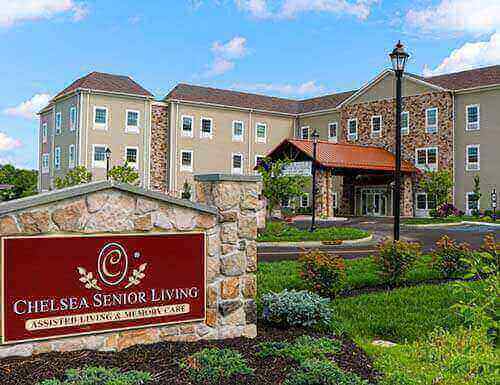
Our assisted living and memory care communities in New York and New Jersey provide personalized support, engaging activities, and a welcoming environment where seniors can thrive.
Residents enjoy private apartments, caring staff, and opportunities to stay active and connected. Families gain peace of mind knowing their loved ones are supported every day.
If you are weighing assisted living vs home care, we invite you to learn more about Chelsea Senior Living.
Schedule a tour to see how our communities support comfort, independence, and connection. We look forward to helping you find the care option that feels right.